Recruitment is full of playbooks. Structured interviews. Scorecards. Process frameworks. And for good reason; consistency and rigour matter. But if we stop there, we risk forgetting something just as important: how the experience feels.
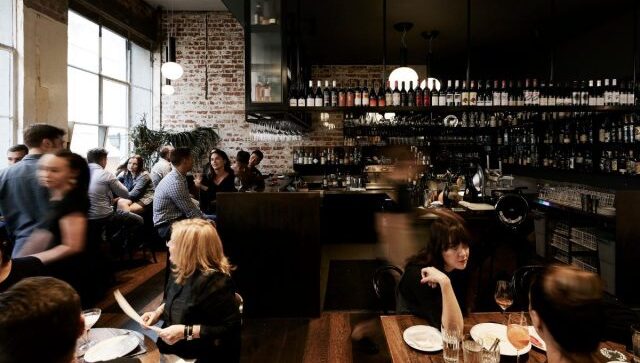
At August we’ve been talking a lot about Will Guidara’s idea of “Unreasonable Hospitality”. If you’re not familiar with it, Guidara was the co-owner of Eleven Madison Park in New York, and helped lead it to being ranked the best restaurant in the world. Not just through perfect food or flawless service, but by delivering small, surprising moments of genuine care that guests never forgot.
Unreasonable hospitality doesn’t mean over-the-top gestures. It means intentionality. Thoughtfulness. Anticipating someone’s needs before they’ve voiced them. It’s the idea that how you do something can matter just as much as what you do.
And it got me thinking: why aren’t we applying the same lens to recruitment?
For all the talk about candidate experience, most hiring processes are deeply transactional. Timelines blow out. Feedback is vague. Communication is automated. The human moments get lost in the workflow. When did we forget to just pick up the phone and have a chat? If I can leave you with anything this week, it’s this: phone before email.
But the recruiters I admire most don’t work that way. They bring a sense of care and presence to every step of the process. Not in a performative way, but in a grounded, practical one. They know that hiring is a high-stakes, deeply personal experience. And they treat it as such.
What unreasonable hospitality could look like in recruitment
Unreasonable hospitality doesn’t require budget. It requires effort. It means finding small ways to show someone that their experience matters, even before they join.
Here are a few real-world examples:
- Bring food or drinks into the later stages of the interview process. In many cultures, sharing food is how people connect, and for good reason. Even if no one eats, the act of ‘breaking bread’ sends a strong message: you’re not just being assessed, you’re being welcomed. It makes the moment feel more human, more relaxed, and more real.
- Create tailored content for candidates based on their stage in the process and area of expertise. Ideally, this includes short-form video: from “a day in the life” to a guided office tour. The goal? To show that onboarding doesn’t start at contract signing. It starts from the very first interaction.
- Give candidates the option to meet a peer for a ‘coffee chat’, a 20-minute, casual catch up at a local cafe to ask anything about the role or culture. If it must be virtual, mail them a digital coffee voucher or ask for their favourite treat and surprise them with a small delivery before the call.
These aren’t grand gestures. But they send a signal. They say: “you’re not just a transaction here”. And that signal travels; across industries, into Glassdoor reviews, into casual conversations. The small things people experience in your hiring process often shape how they describe your culture to others.
It’s about intent, and polish
Recruiters are already under pressure. Speed. Volume. Systems. Metrics. So the idea of adding more can feel overwhelming. But this isn’t about adding. It’s about shifting.
Unreasonable hospitality is not about red carpets or grandiose gifts. It’s about meeting people with more generosity than they expect. And building that into how you operate, not layering it on top.
That means:
- Asking: “what would make this moment better for them?”
- Designing experiences around the person, not the process.
- Finding ways to bring surprise, generosity and delight into what can often feel sterile or high stakes.
This isn’t just a candidate play either. Great recruitment equals great reputation. It’s culture in motion. And in a market where top candidates often have multiple offers, experience can be the difference between signing and stalling.
We often say recruitment is about relationships. But relationships aren’t built in a funnel. They’re built in moments. And the teams that focus on those moments (how they’re delivered, how they land, how they feel) are the ones who attract and retain the best people over time.
So take a step back and ask: “where could we offer more care, more clarity, more humanity?”
You may not need to overhaul your process. But you do need to own how people experience it.
Because in a world of templated messaging and AI-first touchpoints, hospitality might just be your greatest competitive advantage.
Closing Thoughts
In a moment where technology is reshaping recruitment at speed, it’s never been more important to return to what really matters; strong fundamentals, thoughtful systems, and a clear sense of purpose in how we engage people. As I shared in the first piece, AI will only scale what already exists. If the craft is solid, the tech works in your favour. If it’s shaky, the gaps get bigger.
Every one of these posts has been about reinforcing that belief, that lasting, meaningful recruitment is still built on the decisions we make, the conversations we hold, and the experiences we create.
Thanks to the team at ATC for the opportunity to contribute to This Week in Talent once again. It’s always a privilege to reflect, share, and hopefully challenge some of the thinking that is shaping our industry.