In busy times it’s easy to lose track of the impact that work can have on your well-being, and that of your team.
World Mental Health Day 2024, observed on October 10, centres around the theme “Mental Health at Work.” This year, the World Health Organization (‘WHO’) focused on fostering healthy, supportive workplaces that protect and promote mental well-being.
With 60% of the global population in work, the importance of addressing mental health risks in the workplace cannot be overstated. Poor working conditions, discrimination, and job insecurity contribute to mental health challenges like stress, anxiety, and depression.
But considering mental health in the workplace needs to go beyond addressing existing challenges.
“Mental health is a lot more than the absence of illness: it is an intrinsic part of our individual and collective health and well-being.” Dr Tedros Adhanom Ghebreyesus, the Director-General at the World Health Organization, WHO mental health report.
The WHO report emphasises the urgent need to address mental health in the workplace. It highlights that mental health conditions are rising globally, affecting millions of workers and significantly impacting productivity. Stress, anxiety, and burnout are common, exacerbated by factors like poor working conditions and lack of support.
The report calls for investment in mental health at work, stressing that a healthy workplace is not only good for the individual but also for the organisation.
So in a new work world where we are remote, flexible, or even being mandated to return to the office, what does this mean practically for workplaces?
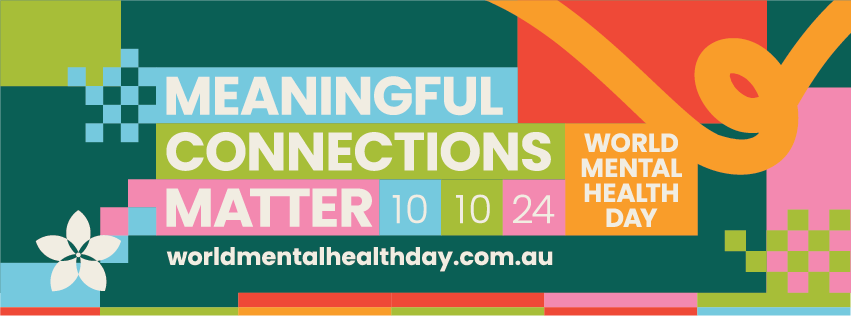
Mental Health Australia is using World Mental Health Day 2024 to foster “meaningful connections” in workplaces to support mental health.
They suggest promoting open communication, building supportive relationships with colleagues, and connecting employees to mental health resources and services. The campaign highlights the importance of both personal and professional connections in maintaining well-being, encouraging workplaces to take part in awareness activities that reduce stigma and promote a mentally healthy environment.
From a global perspective, the WHO Mental Health Day toolkit provides resources to help organisations and individuals raise awareness about mental health. It includes materials like posters, social media graphics, and event planning guides, all centered on this year’s theme of mental health at work.
The toolkit encourages community engagement and offers practical steps to create supportive environments. It aims to inspire conversations about mental health, reduce stigma, and promote well-being at workplaces globally. It gives a great starting point for improving mental health at work: opening the door to conversation in your workplace about mental health.
Conversation counts
Both resources make one key point clear: make your workplace open to have conversations about mental health. This world mental health day take a moment to consider if your workplace is truly open to conversations about mental health. If not, what can you do to encourage conversation?
For more details:
Visit the World Mental Health site here.
read the full WHO report here.
Visit Mental Health Australia here.
Want to connect with ATC and our community? Follow us on LinkedIn here and join in the conversation.