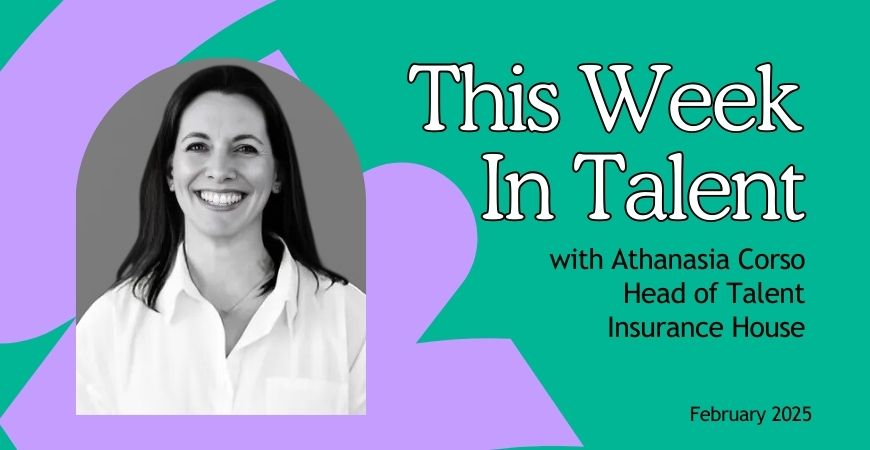
Striking the Balance : Service Provider x Subject Matter Expert
For my last week in talent, I’m zooming in on something I’ve been observing amongst our profession for a while now: How do we find the perfect balance between serving others and owning our expertise?
Here’s what I’ve come to realise:
- You wouldn’t go to a doctor and tell them your diagnosis before they’ve had a chance to examine your symptoms.
- But you also wouldn’t go to a doctor you didn’t trust.
Both trust and expertise must exist in equilibrium. People seek your expertise because they value your knowledge, but they won’t come to you – or stick around – if they don’t trust you.
In fact, according to a 2022 Gallup survey, 67% of employees say they’d leave a company if they don’t trust its leadership. Trust isn’t just a nice-to-have; it’s the foundation of professional relationships and critical for collaboration and results.
So, ask yourself:
- Am I an expert in my field?
- Am I trusted?
Then, focus on achieving – or maintaining – both.
How to Build Trust and Expertise
Whether you’re a seasoned or aspiring Talent Acquisition professional, developing the following skills will help you master the delicate balance of service and expertise.
- Notice Patterns
Spotting patterns is a shortcut to wisdom. It’s what allows you to provide insights and equip others with data that informs decisions.
- Empathy Is Everything
This job is about people. The reward may not always be immediate or tangible, but the impact you have is significant. It’s so easy to become judgemental and cynical in this role, but if you want to build trust and be of both service and wisdom, approach every interaction with empathy, prioritising the needs of others.
- Communicate With Transparency and Generosity
Hoarding knowledge? Don’t do it. Sharing what you know empowers everyone and drives collective success. Plus, when you model transparency, others will mirror it, creating a more collaborative environment. (This is a perfect segway to remind you to do the ATC Contingent Workshop survey, if you haven’t already).
- Lead With Facts
A mentor once told me, “No one wins a values-driven argument,” and it’s stuck with me ever since. Facts provide clarity, alignment, and objectivity, especially in decision-making.
Consider this: a Harvard Business Review article revealed that data-driven teams are 30% more likely to outperform their competitors. Facts set the foundation for trust, ensuring your expertise is respected and your message is understood.
- Measure and Review
Complacency is the enemy of growth. Regularly evaluate your performance, measure outcomes, and reflect on what’s working (and what’s not). Continuous improvement is the hallmark of trusted experts.
The Harmony of Service and Expertise
When you combine service with expertise, you position yourself as both a service provider and a trusted advisor – a balance that’s crucial in the work we do.
This beautiful hybrid offering will ensure you’re highly regarded, a first point of contact and a safe pair of hands to manage both operational and strategic work. It will also safeguard your personal brand and support you as you build on your networks.
Knowing how to utilise both is where the magic happens.
The balance between serving others and owning your expertise is a delicate one. It requires empathy, transparency, and a commitment to continuous improvement.
Because when you strike that balance, you’re not just serving others – you’re shaping outcomes, building relationships, and driving success for everyone around you.
Things that caught my attention this week:
My weekly industry insight newsletter
I haven’t included a link – It’s unlikely mine will mean anything to you, but we’re all in different sectors, solving different market issues. Know them. For me it’s financial services. For you it could be construction, education, manufacturing. Take an interest in the expertise of your stakeholders. Join a mailing list to an industry newsletter or register for a short course that will connect your expertise with the expertise of those you serve.
Let’s talk pattern recognition
I love it! I also love how closely it tips into biases and how self aware we need to be when we’re applying this principal to decision making. So curious to know how the rest of the world sees it so if you feel like sharing your thoughts on it, I’m all ears.
Kevin Wheeler’s 2025 Fearless Forecast
ATC2024 was about thinking big – and Kevin’s Fearless Forecast for 2025 challenges us to do just that. Kevin’s expertise is invaluable and he generously shares his thoughts in this ATC2024 session playback.